Physical Address
304 North Cardinal St.
Dorchester Center, MA 02124
Physical Address
304 North Cardinal St.
Dorchester Center, MA 02124

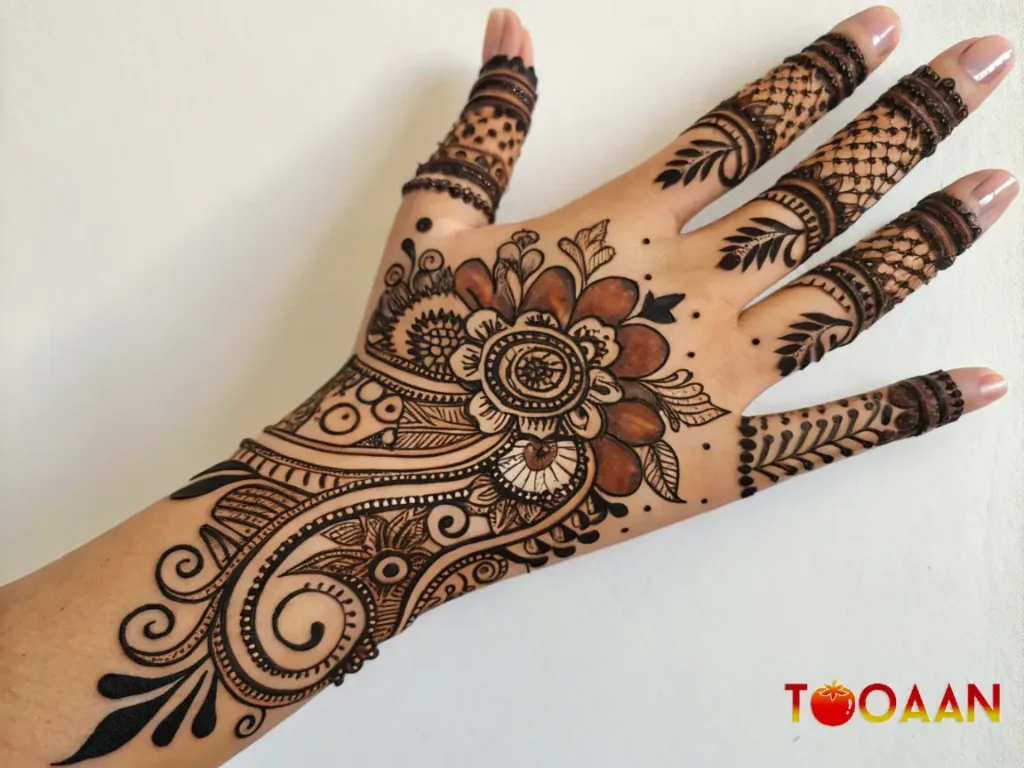
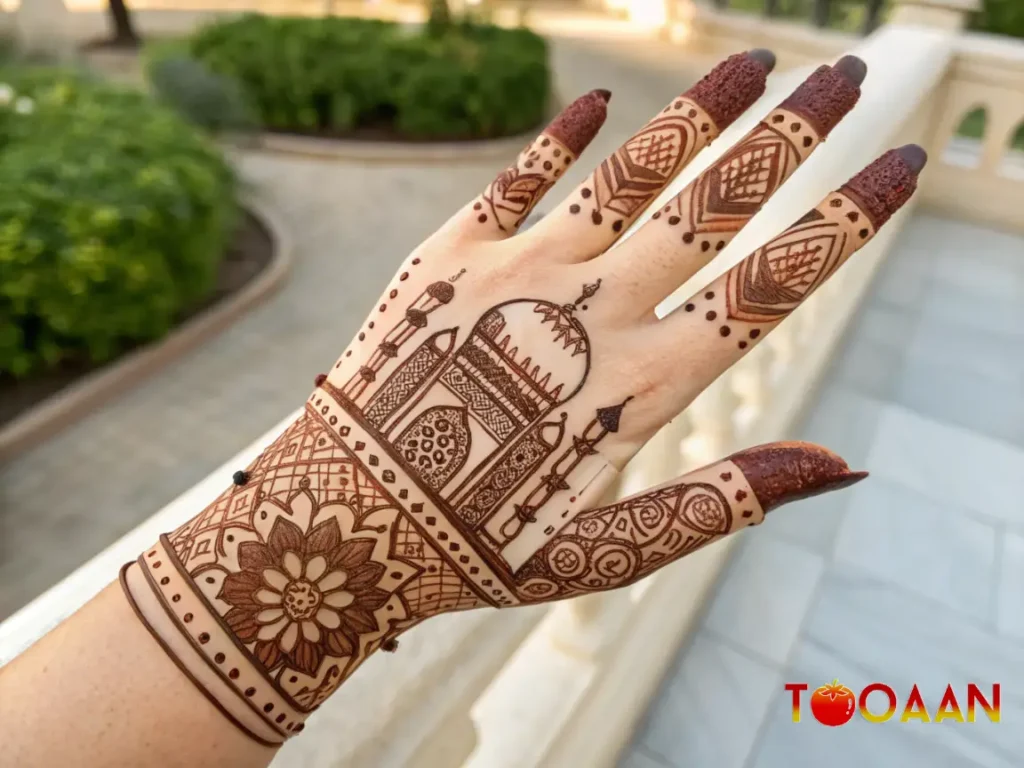
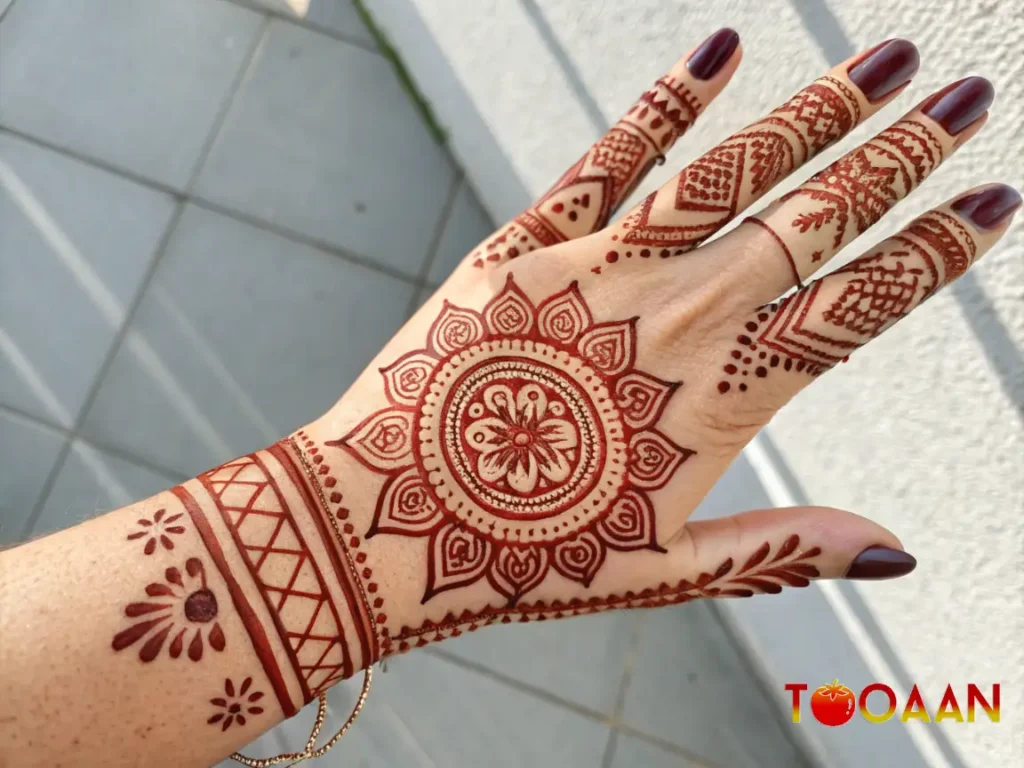
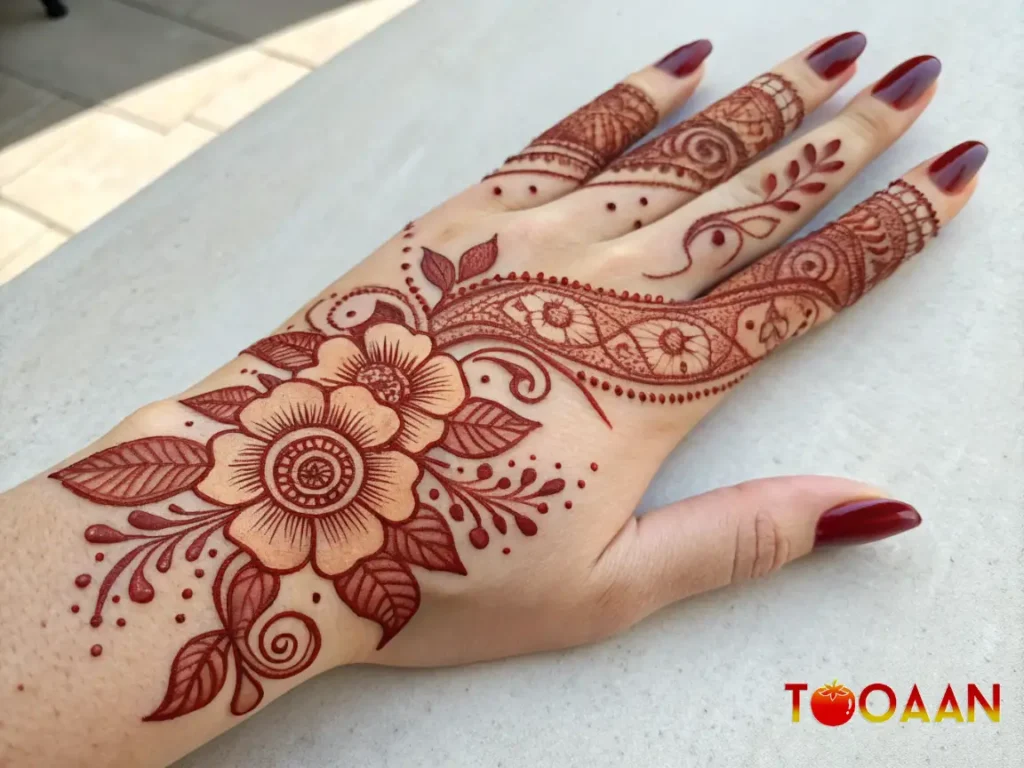
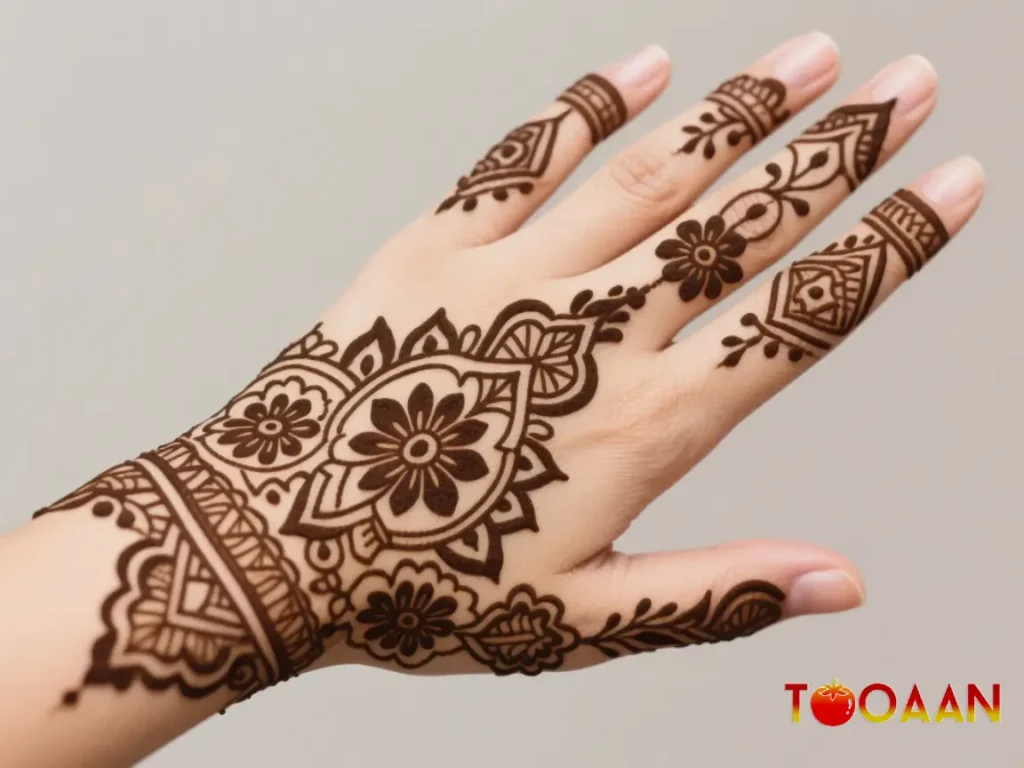
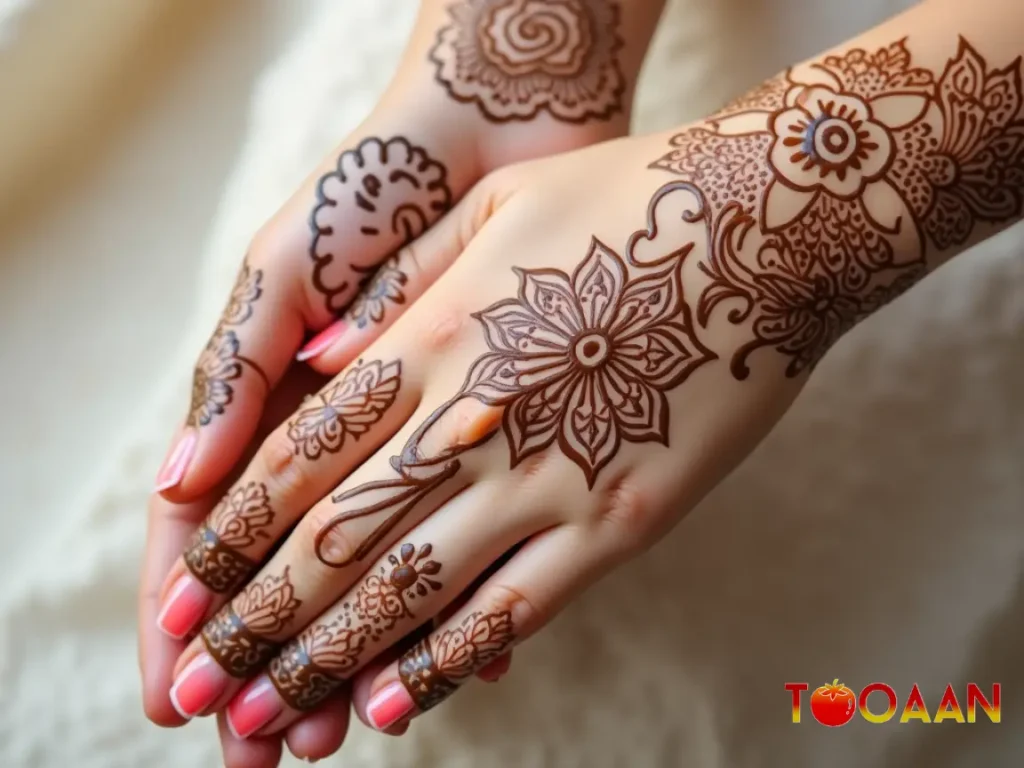
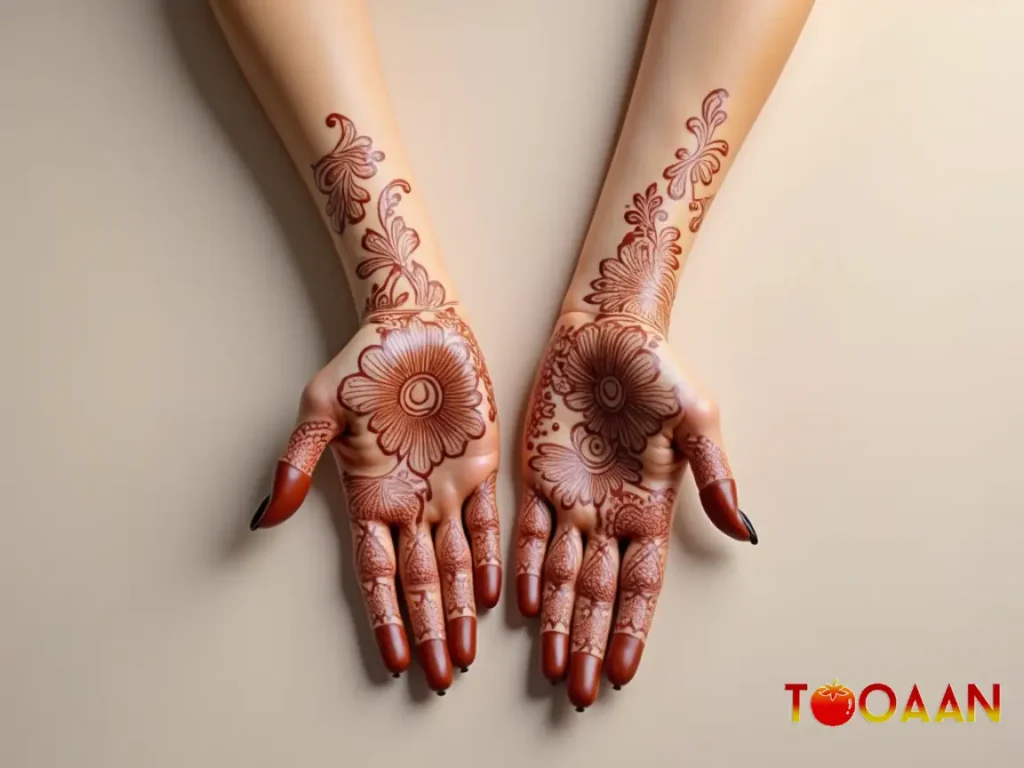
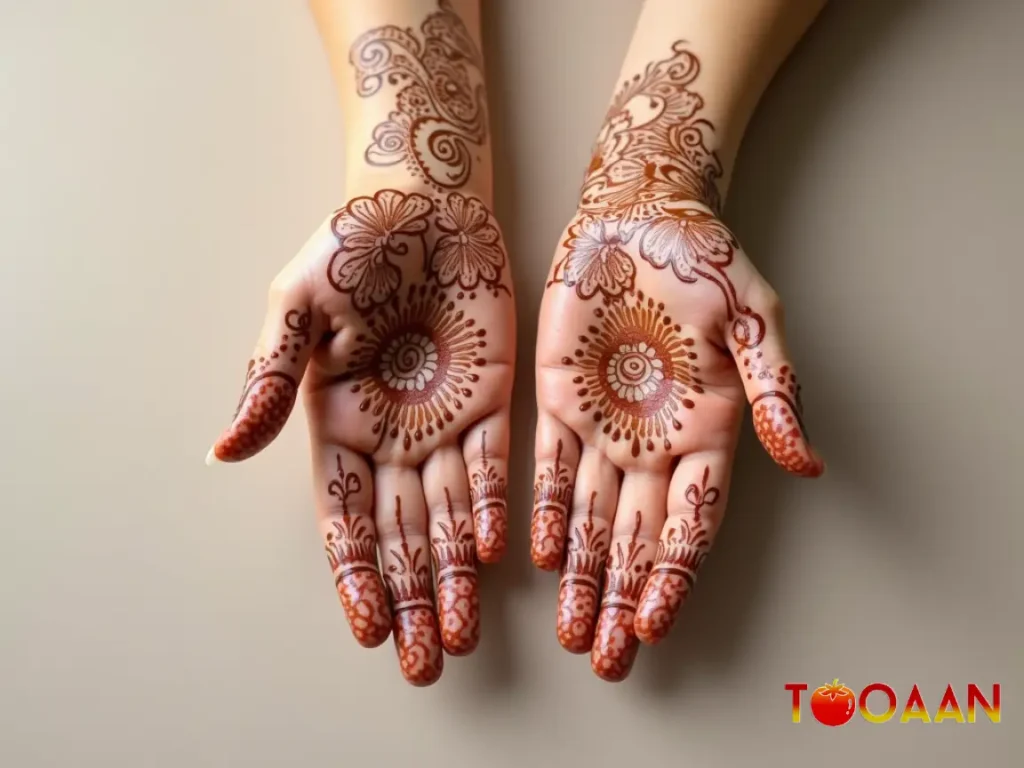
Arabic Mehndi Design: Mehendi is not just a part of decoration; it is a form of art. Specifically, Arabic mehendi designs, which are widely popular across the world for their uniqueness and beauty. Originating from Arabic culture, this mehendi design has gained immense popularity over time in South Asia, the Middle East, and Europe. One of its main attractions is its simple yet captivating patterns.
Mehndi is not merely a decorative element in Islamic weddings; it is a religious and cultural tradition. The practice of using mehndi dates back to the time of Prophet Muhammad (PBUH), especially during weddings and festive occasions. Brides and their relatives adorn their hands and feet with mehndi, which serves as an expression of joy and is also considered a symbol of blessings and purity at the beginning of the couple’s new life together.
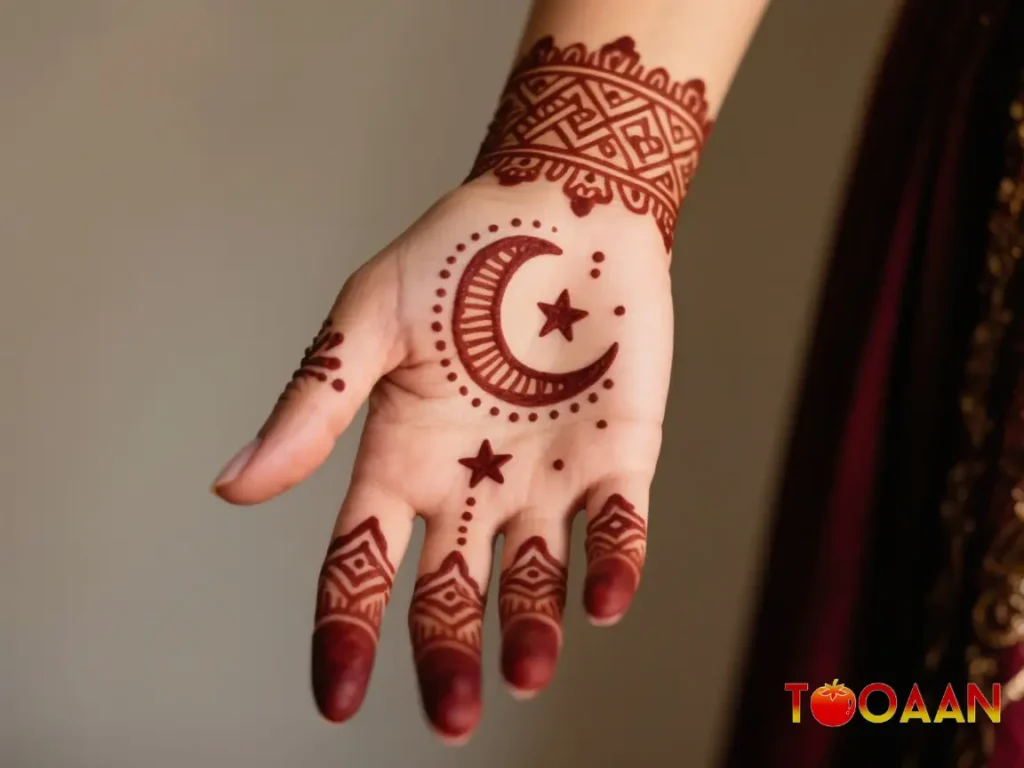
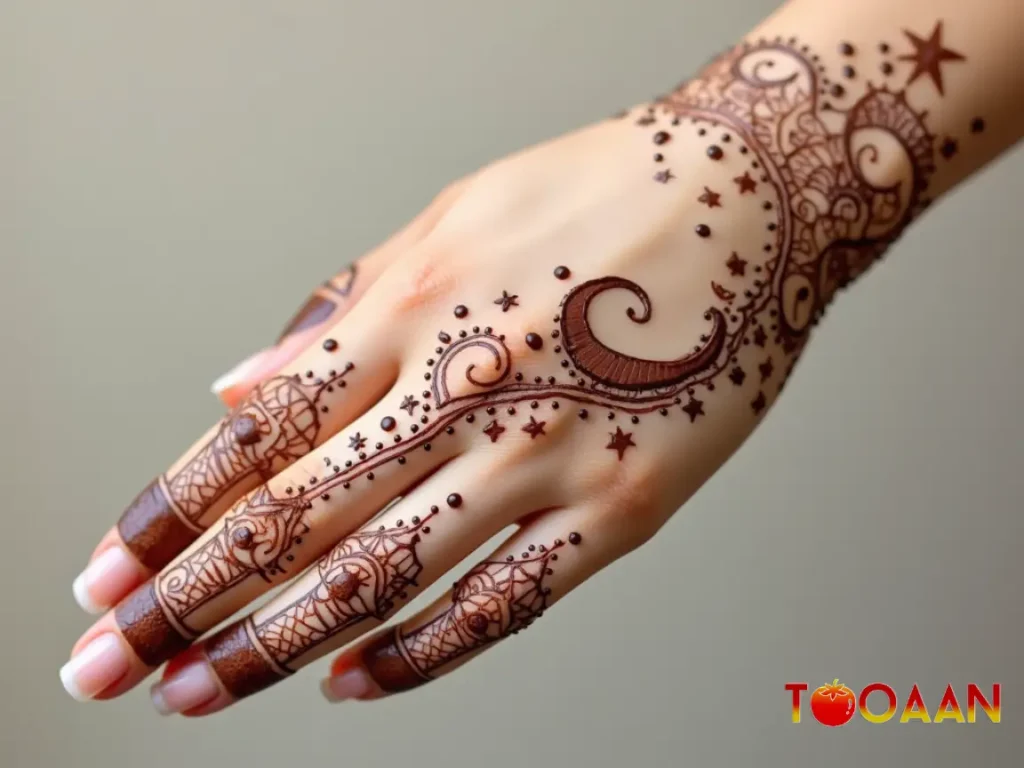
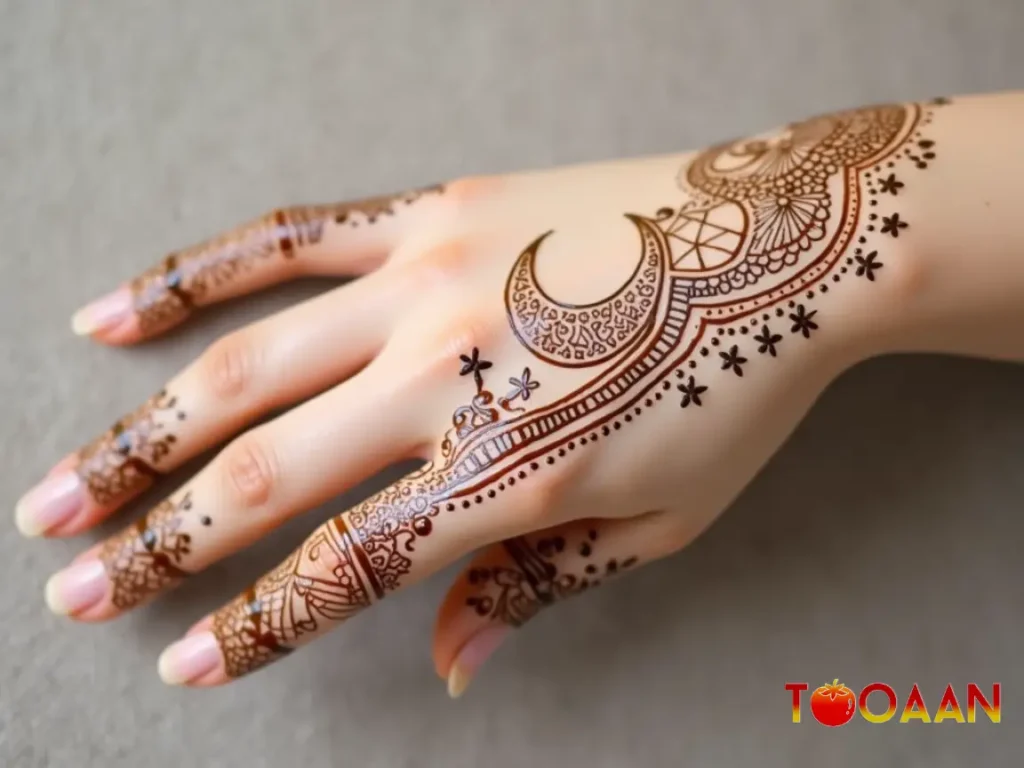
Islamic wedding mehndi designs are usually created with delicate and intricate patterns, often including flowers, vines, crescent moons, stars, or sometimes Islamic calligraphy. Many also incorporate Quranic verses or phrases like ‘Mashallah’, ‘Alhamdulillah’ artistically into the mehndi design, adding spiritual beauty and meaningful depth to the overall look
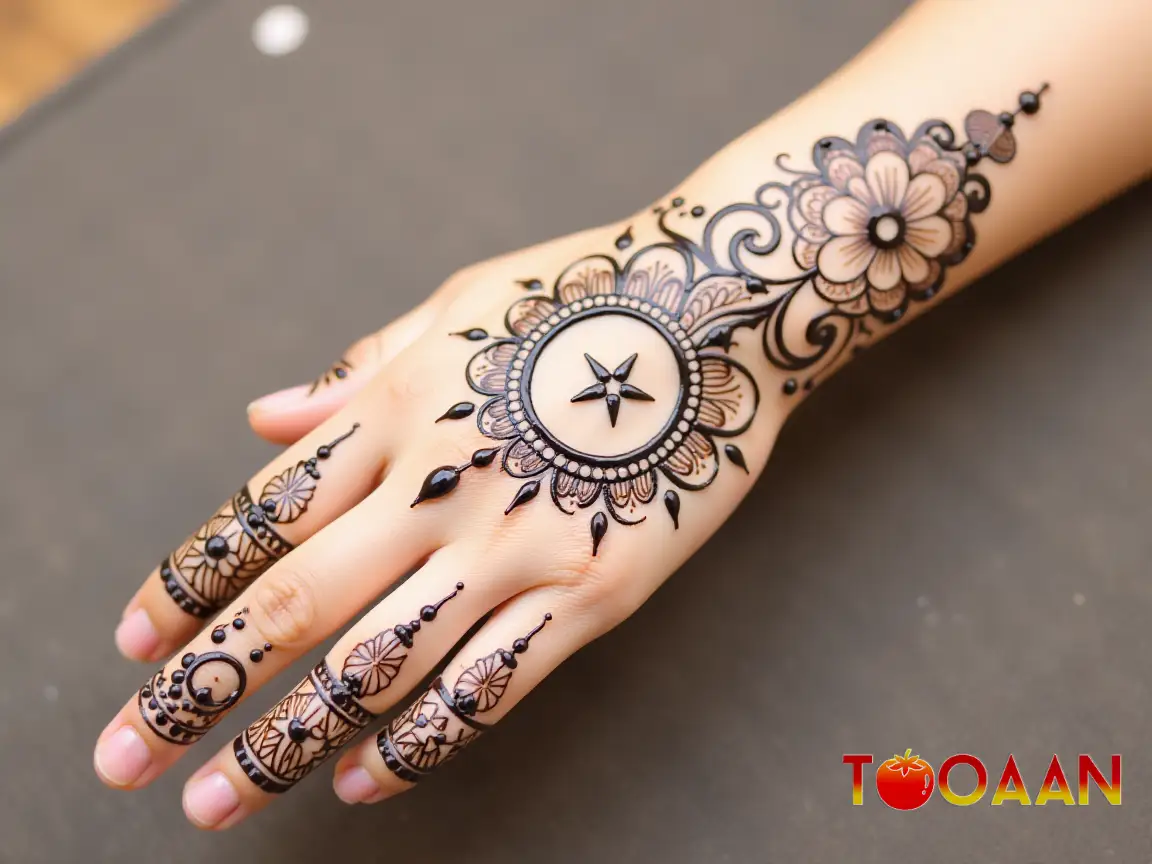
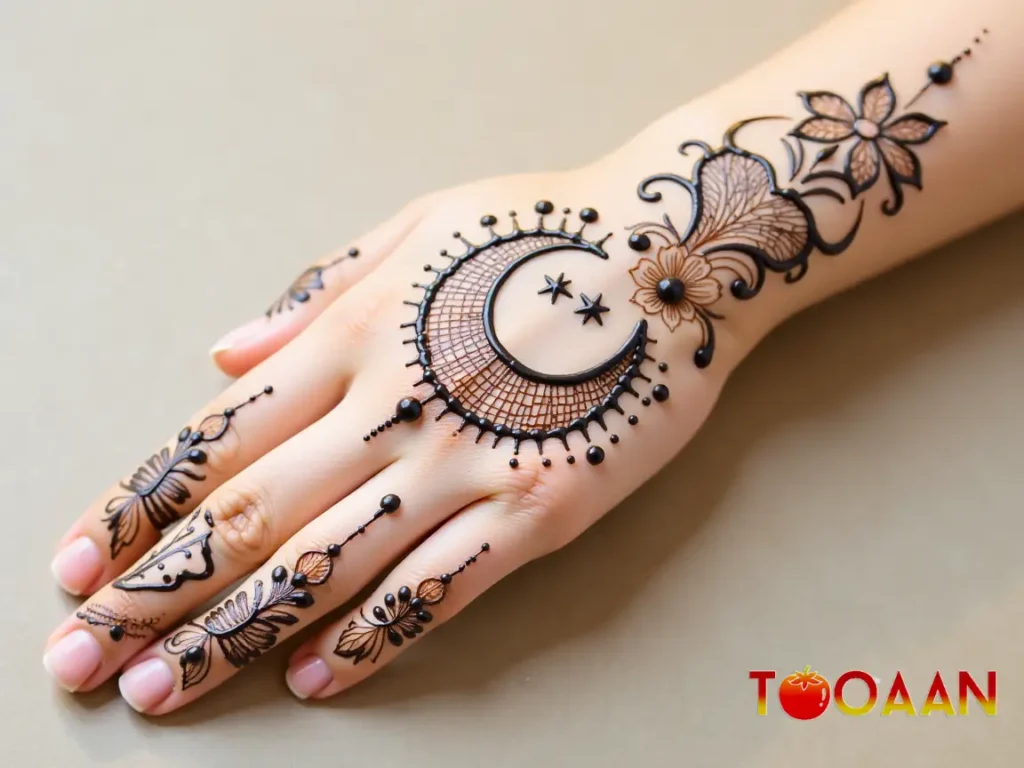
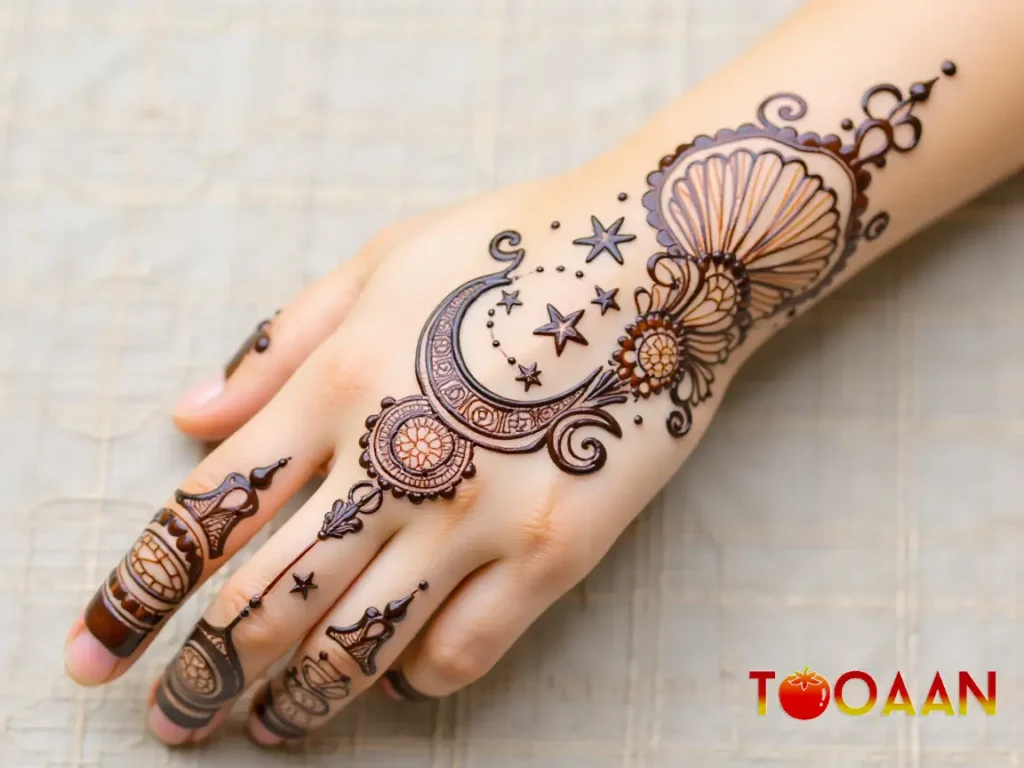
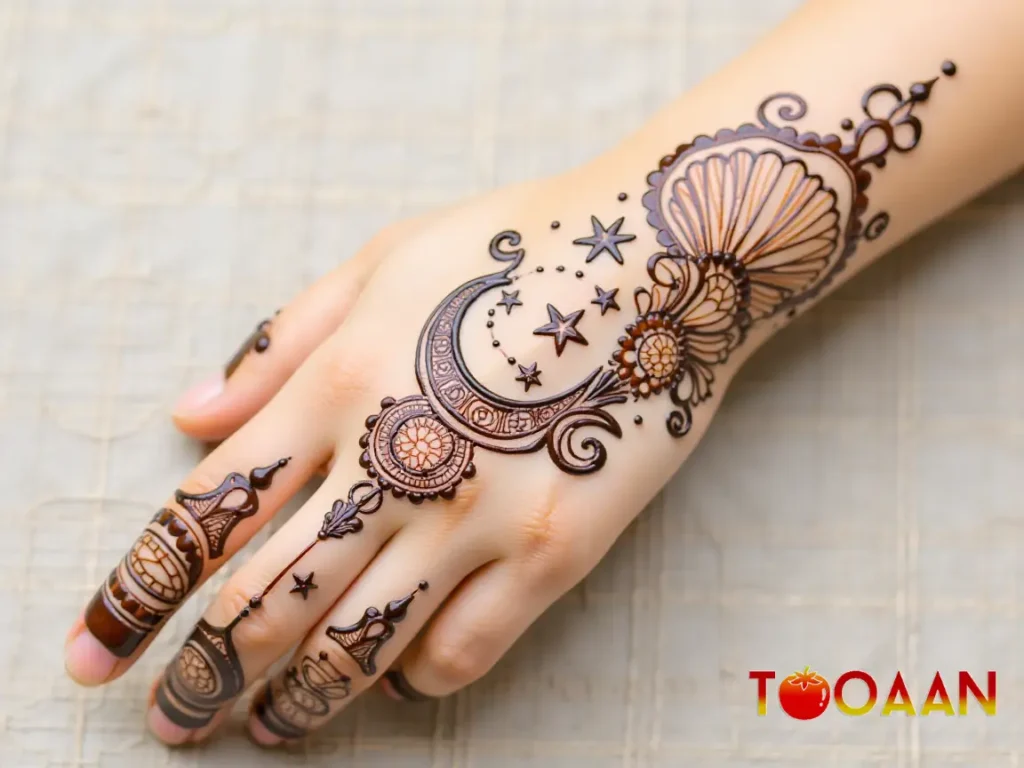
The crescent moon and star are widely recognized symbols of Islamic civilization, although they do not originate from the Quran or Hadith. Historically, this symbol became associated with Islam particularly during the era of the Ottoman Empire.
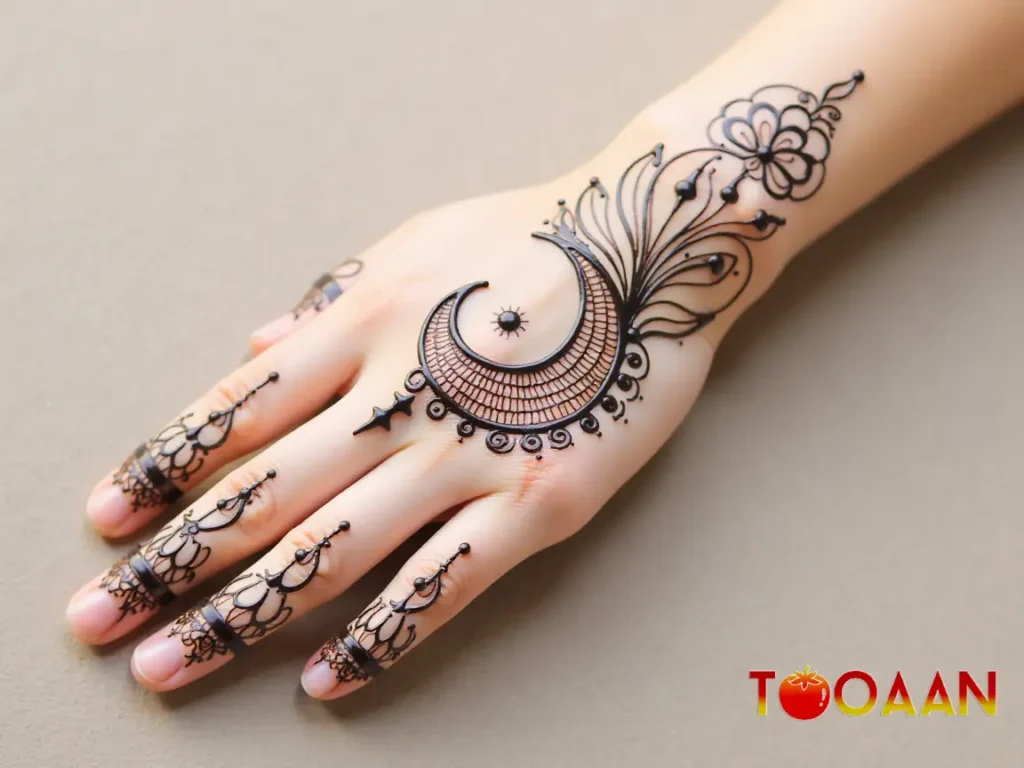
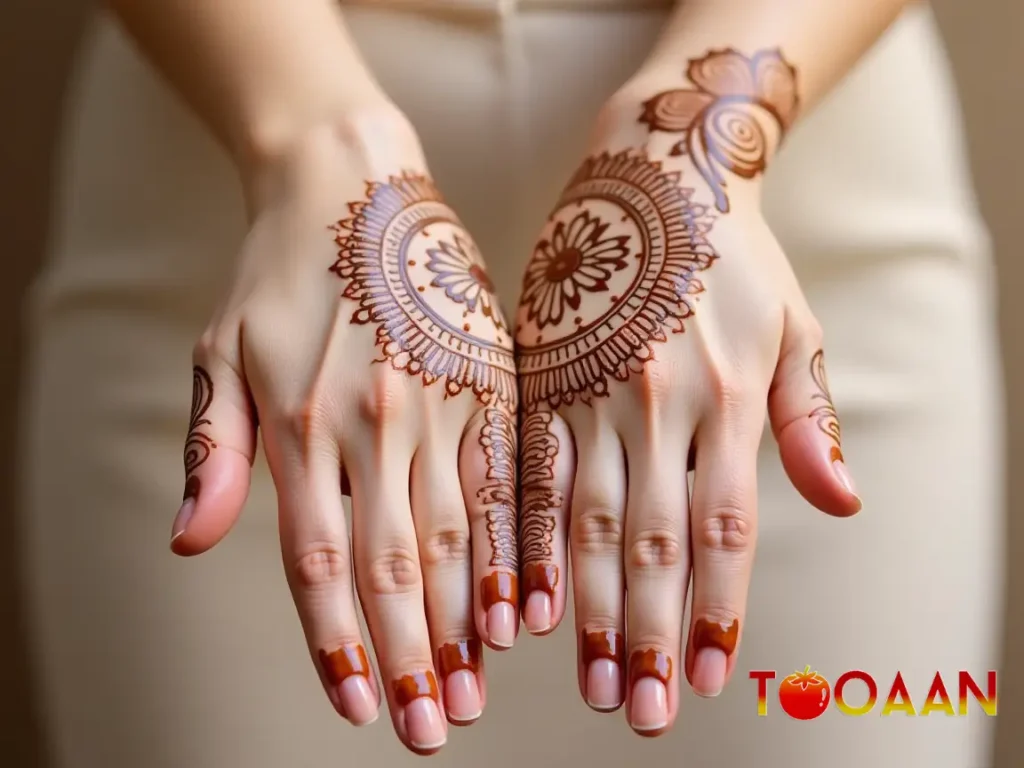
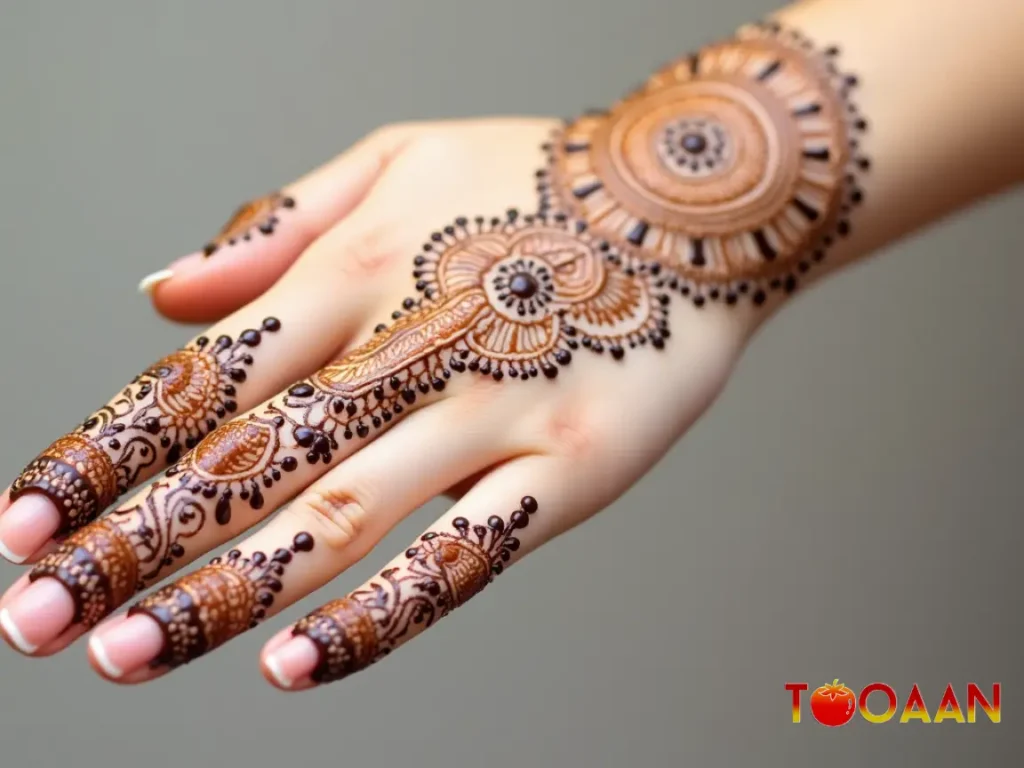
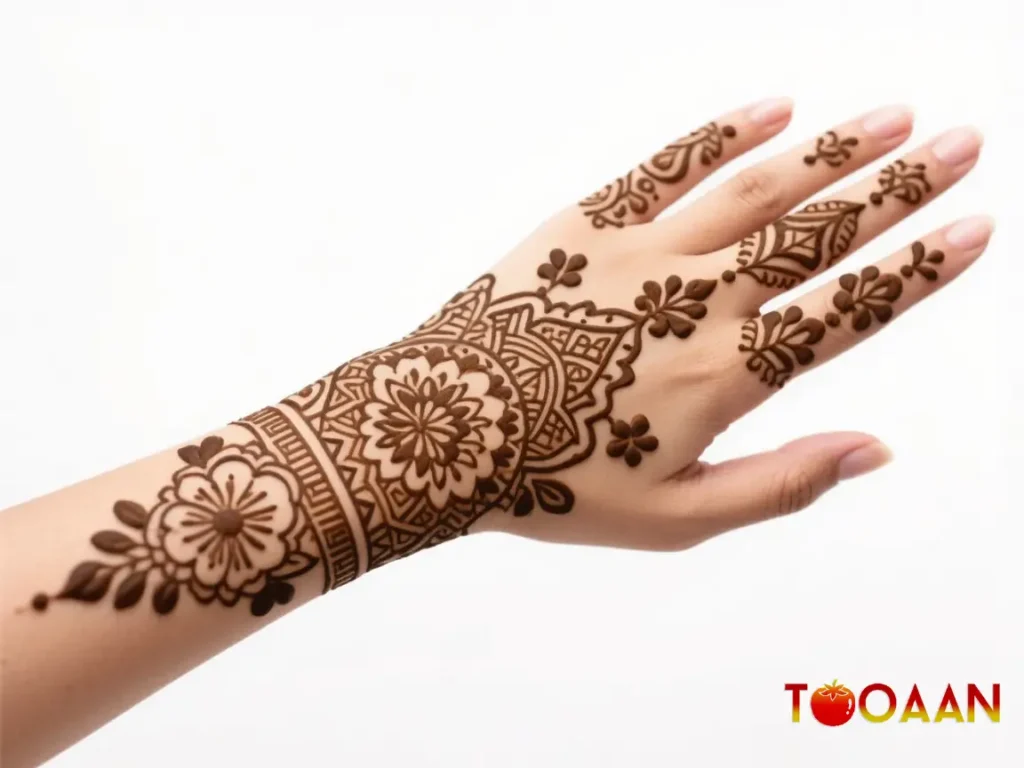
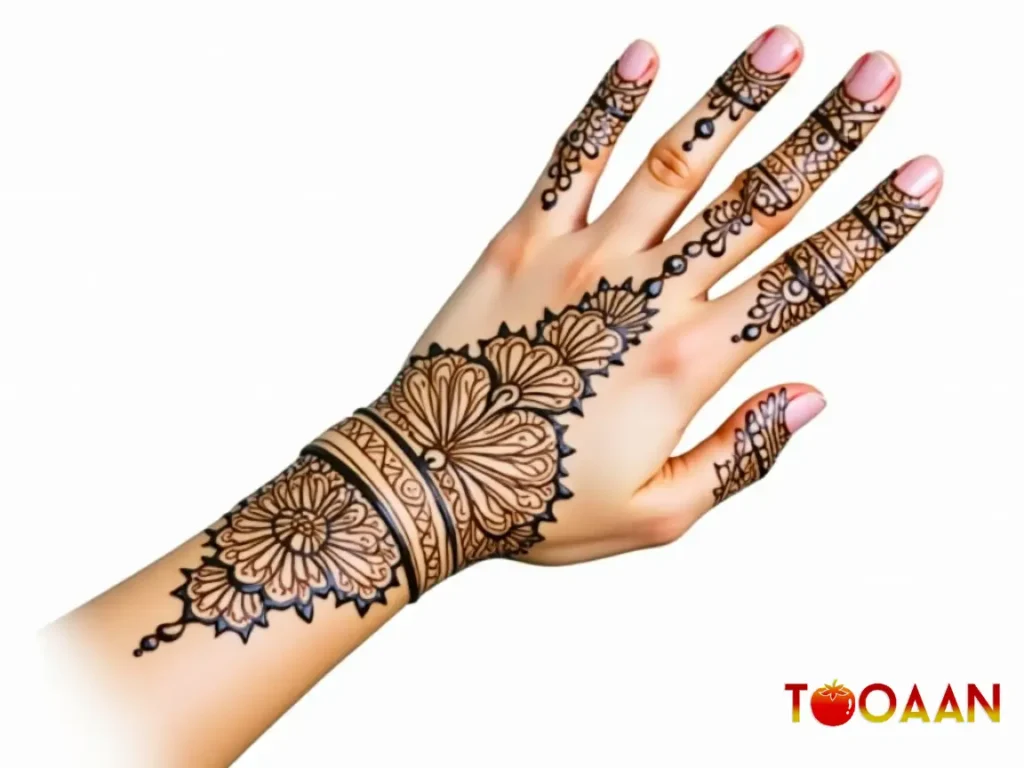
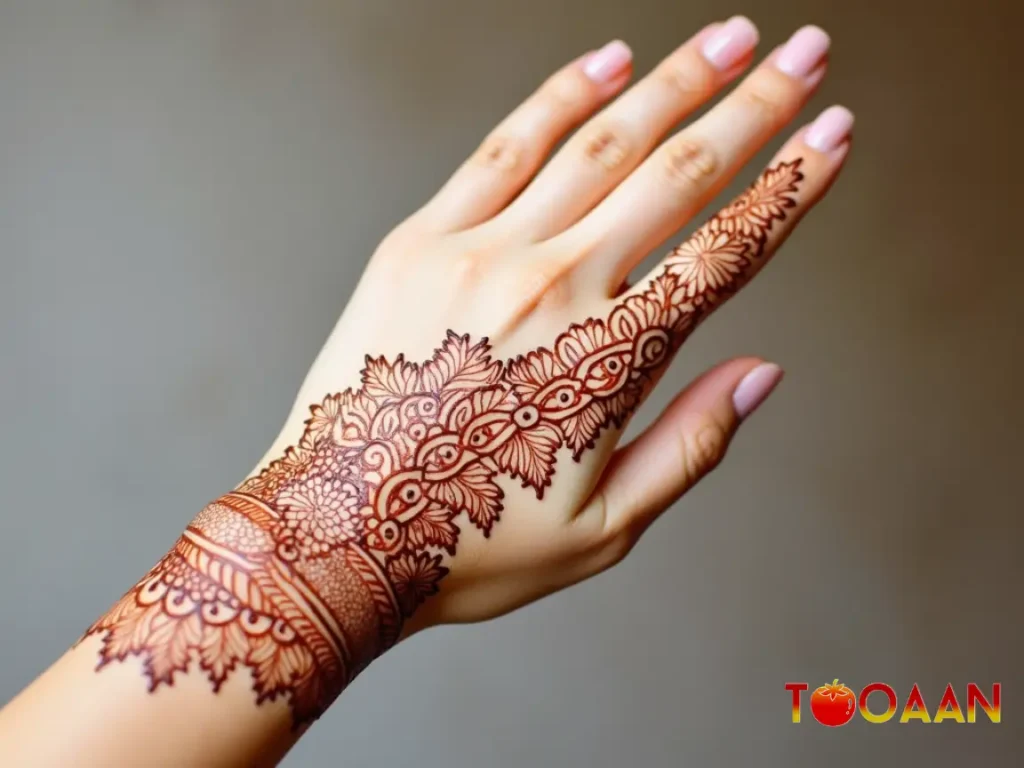
Royal Jaal mehndi design is a type of net-like pattern that is usually drawn on the back of the hand or on the fingers, featuring a regal, intricate, and neat appearance. This design consists of geometric net (grid) shapes adorned with floral, leafy, or dotted elements, adding a touch of elegance and sophistication to the overall look. Royal Jaal designs are commonly applied during weddings on the hands of brides or close relatives, as they appear both glamorous and beautifully complement the traditional Arabic mehndi style.
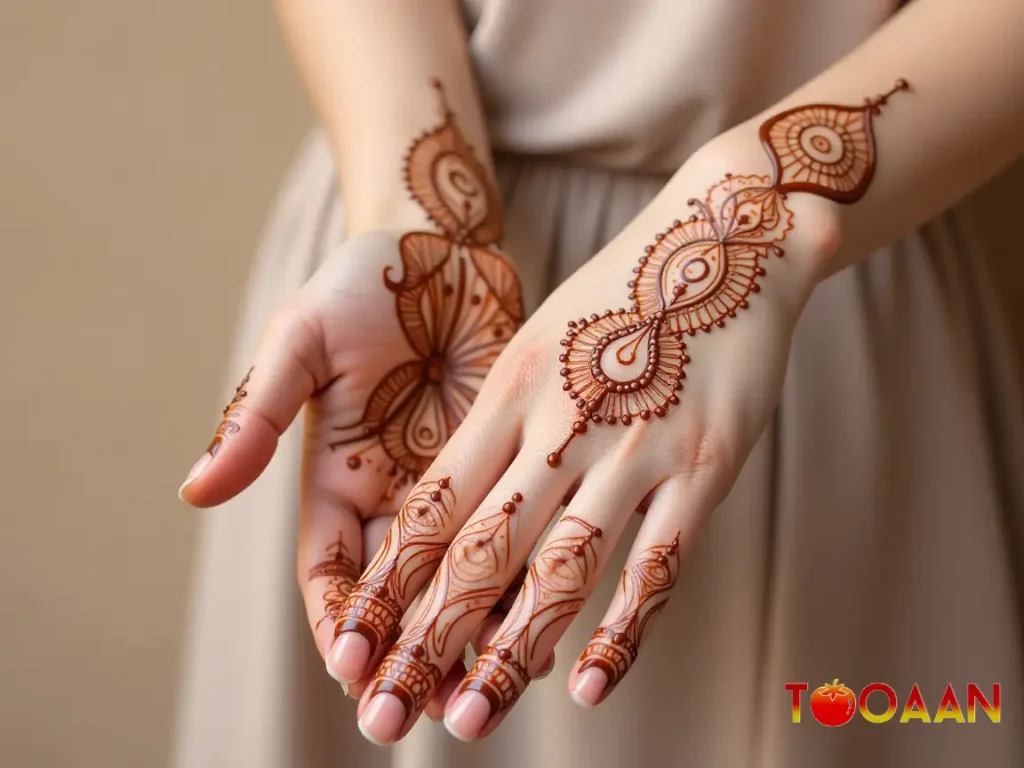
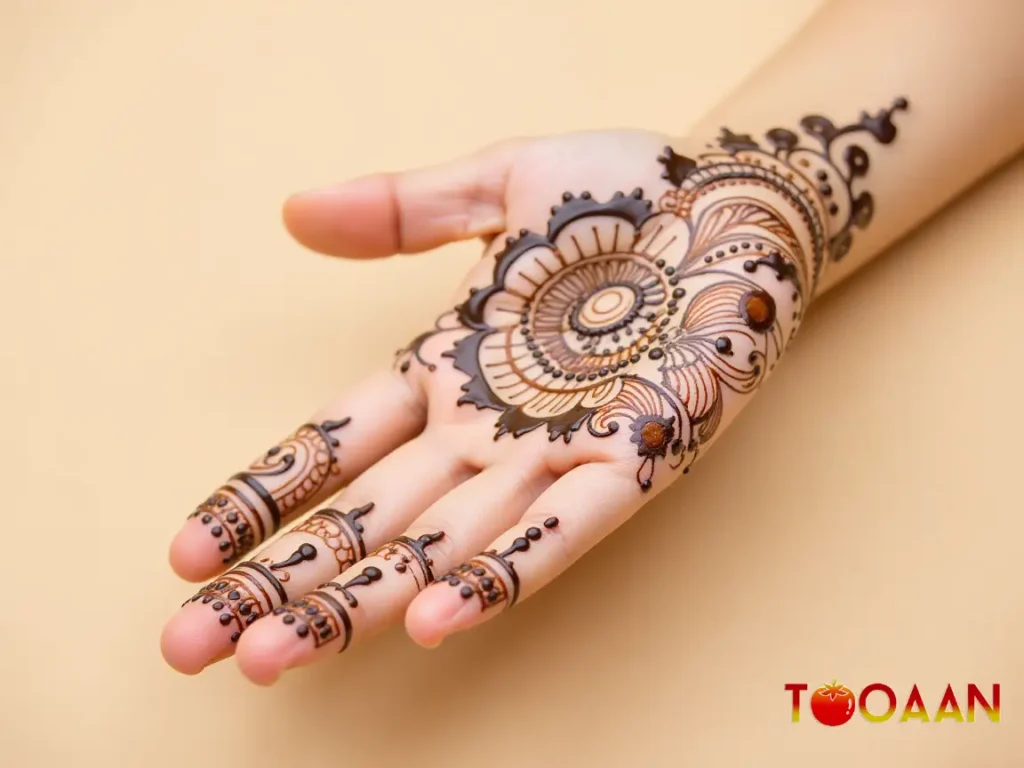
Khaleeji Patterns Mehndi Design is a popular style of mehndi among women in the Gulf Arab countries—such as Saudi Arabia, Kuwait, Bahrain, and the United Arab Emirates. These designs typically use dark black mehndi and feature geometric shapes, symmetrical lines, small dots, and motifs inspired by Arabic calligraphy. The most distinctive aspects of Khaleeji designs are their precise patterns, heavy shading, and bold motifs that often cover the entire hand, setting them apart from Arabic and Indian mehndi styles.

This type of design is especially worn during grand occasions like weddings, as well as Eid and intimate family celebrations. Khaleeji mehndi usually starts from the pinky finger and extends continuously through the palm to the wrist, showcasing artistic geometry and modern dense styling. For those who prefer traditional yet regal mehndi designs, Khaleeji patterns have become a refined and attractive choice.
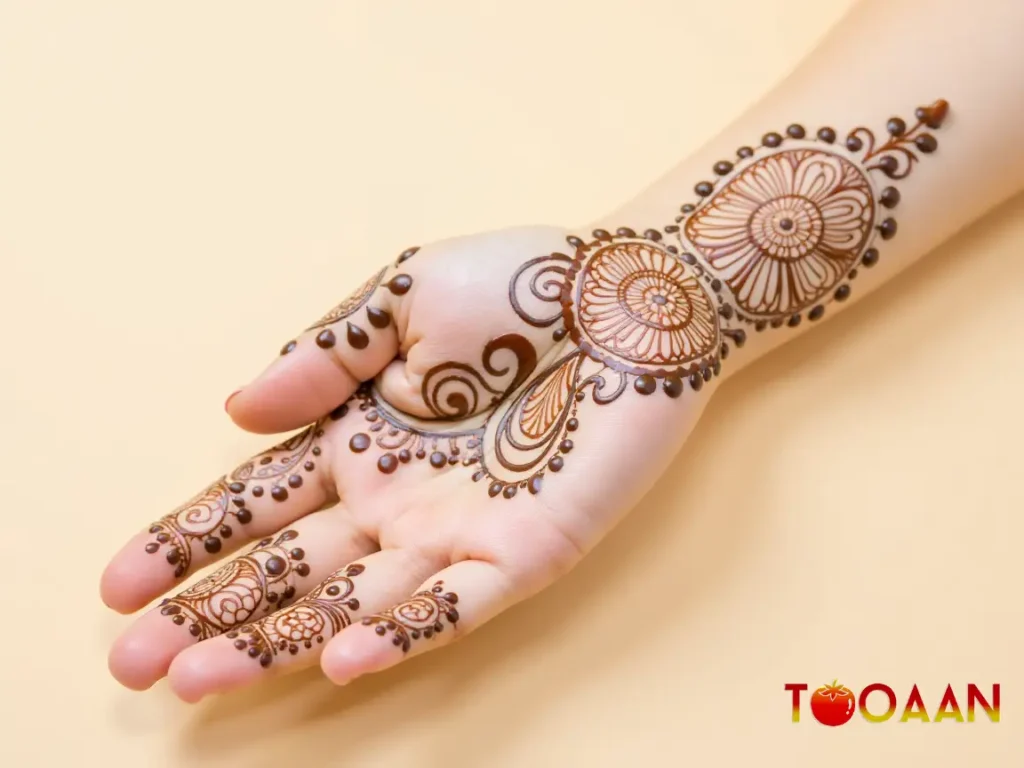
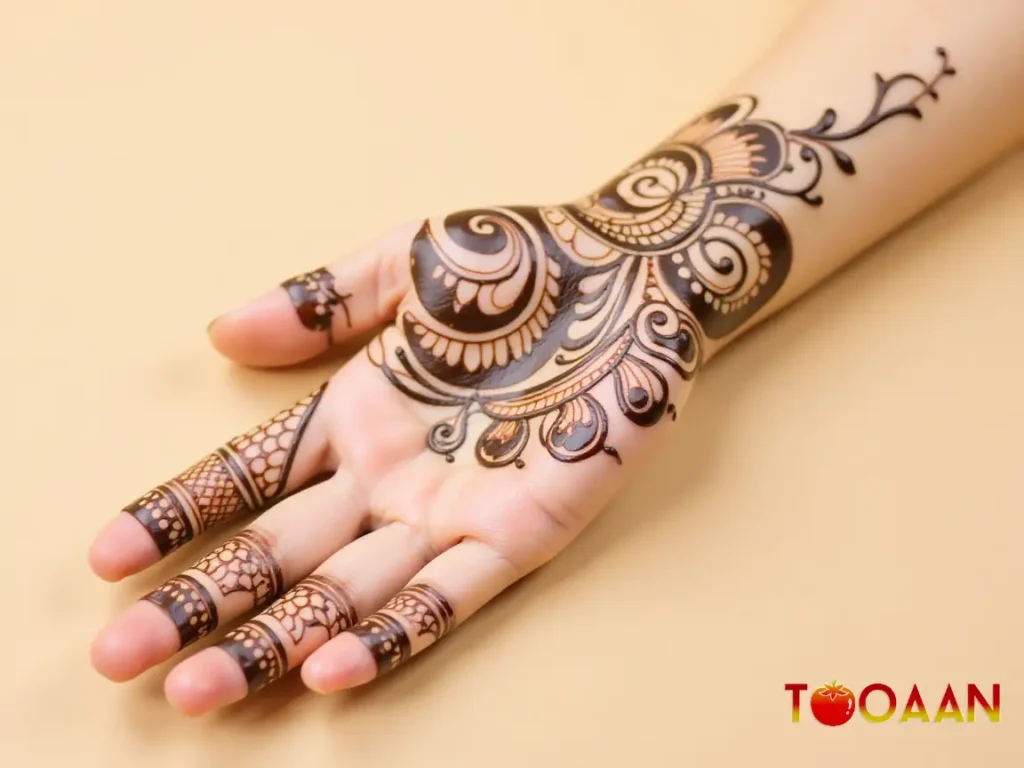
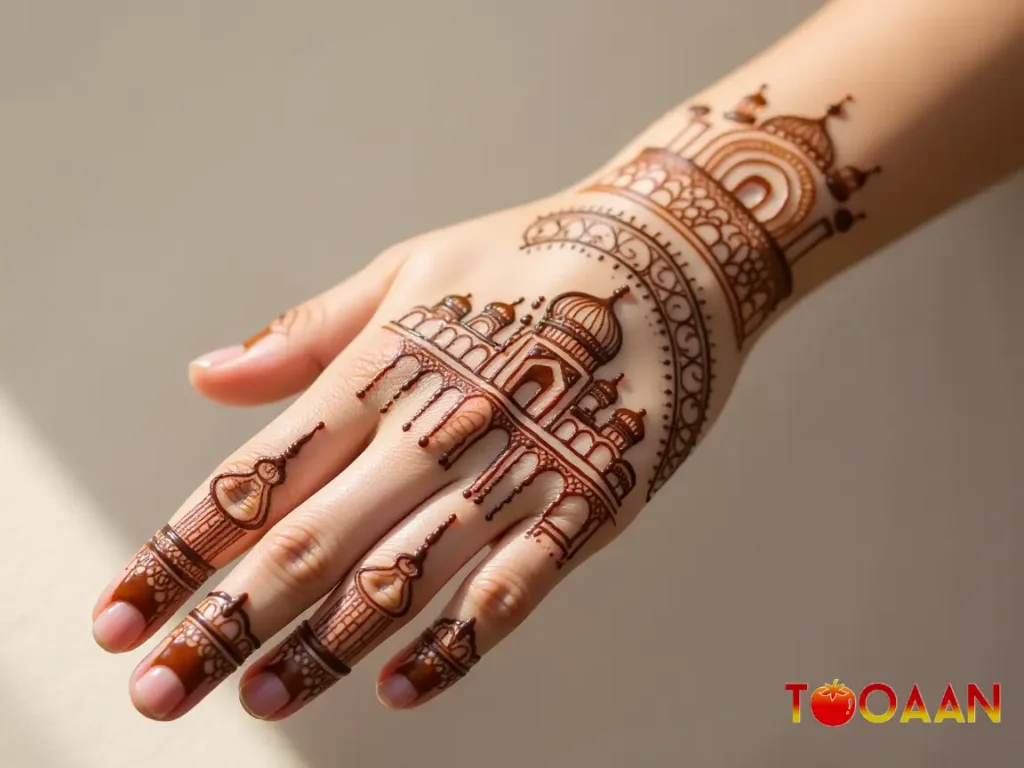
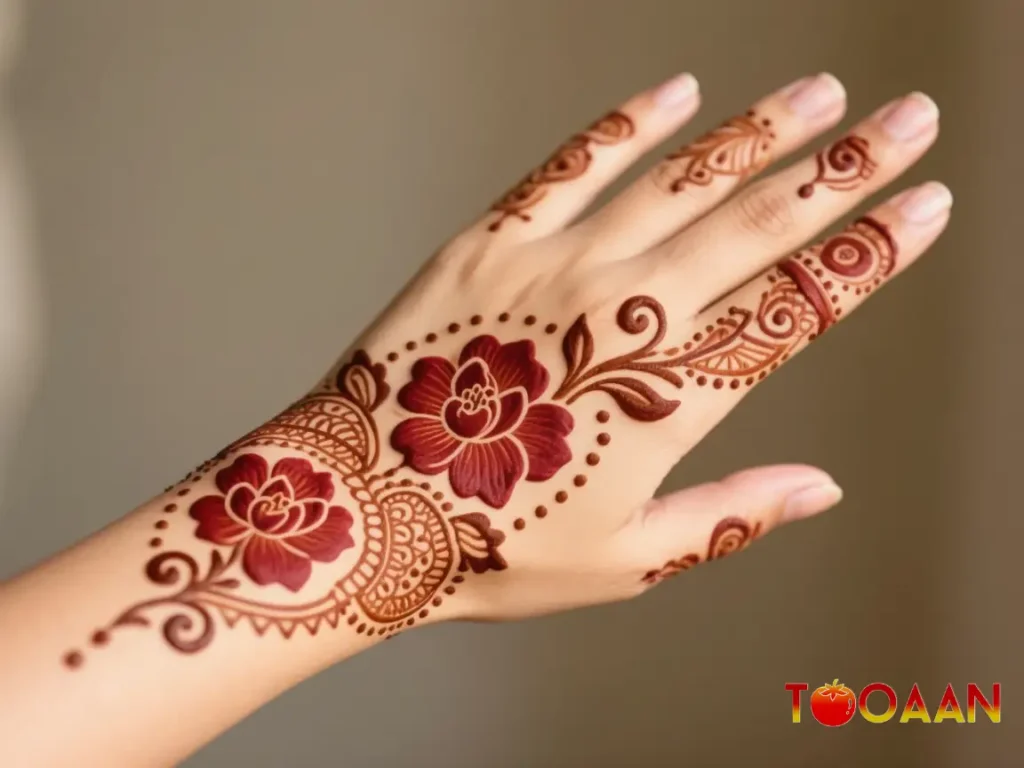
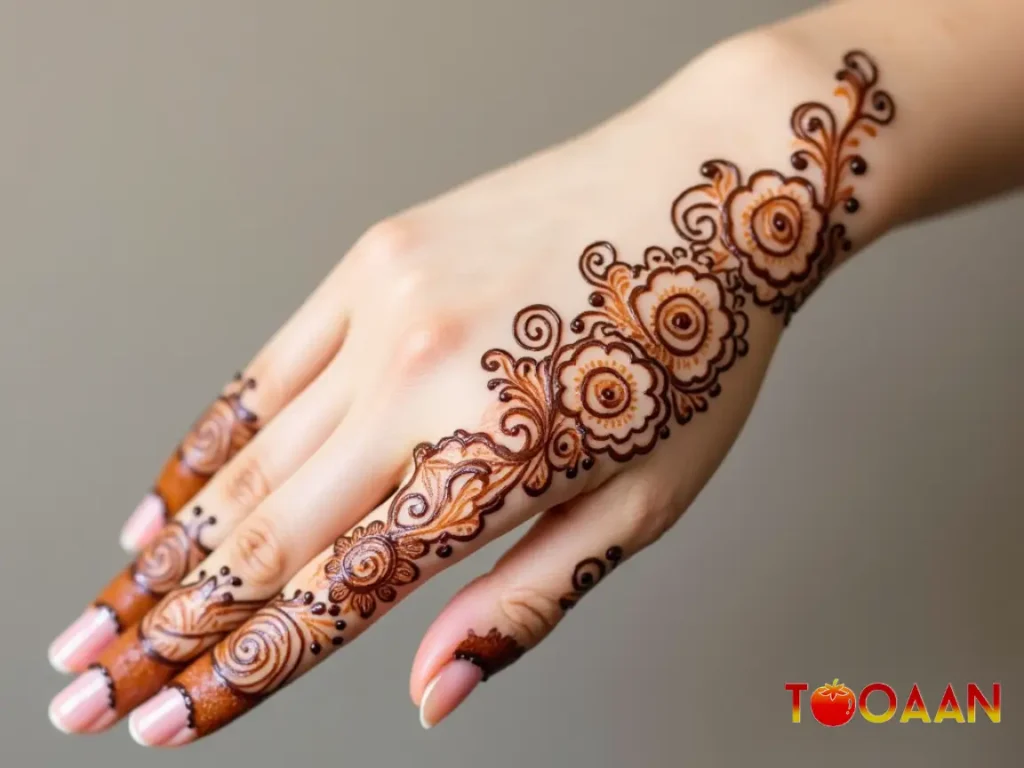
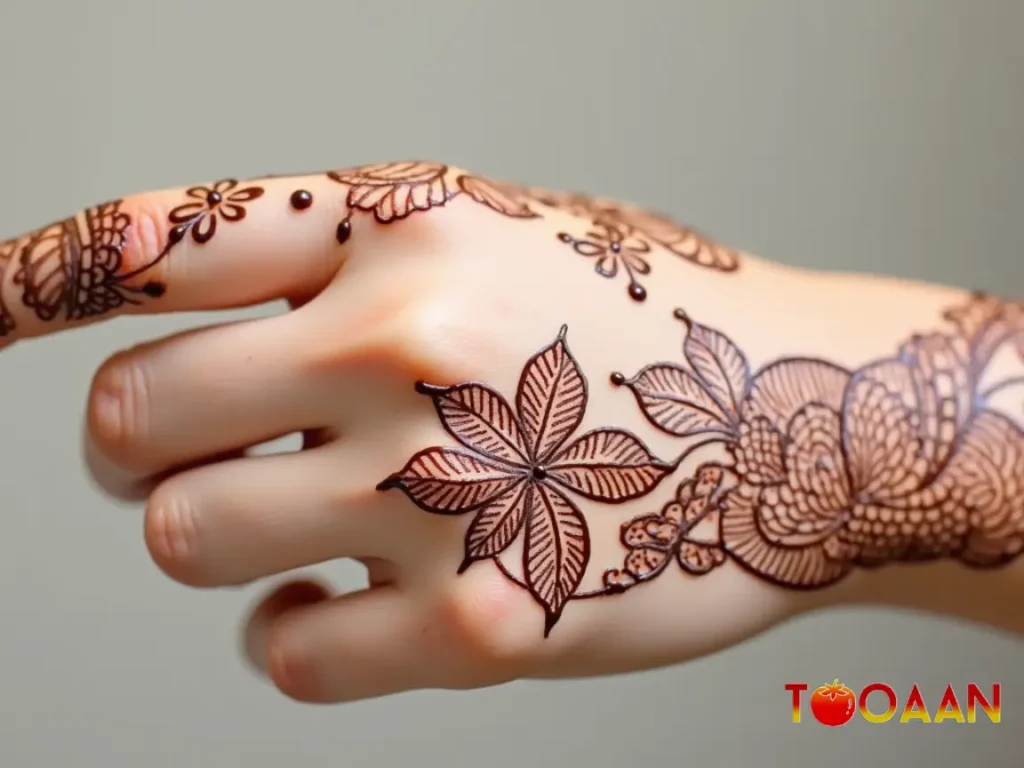
Arabic Florals refer to the floral-based patterns used in Arabic mehndi designs, typically composed of large flowers, vines, and leaves. These designs often feature roses, jasmine, or abstract floral motifs that gracefully spread across the hands or feet. The main appeal of Arabic Florals lies in their beauty and balanced structure, which is both simple and stylish. Especially during occasions like weddings or Eid, these designs are highly popular because they can be applied quickly and creatively use negative space to create a harmonious and elegant look on the skin.
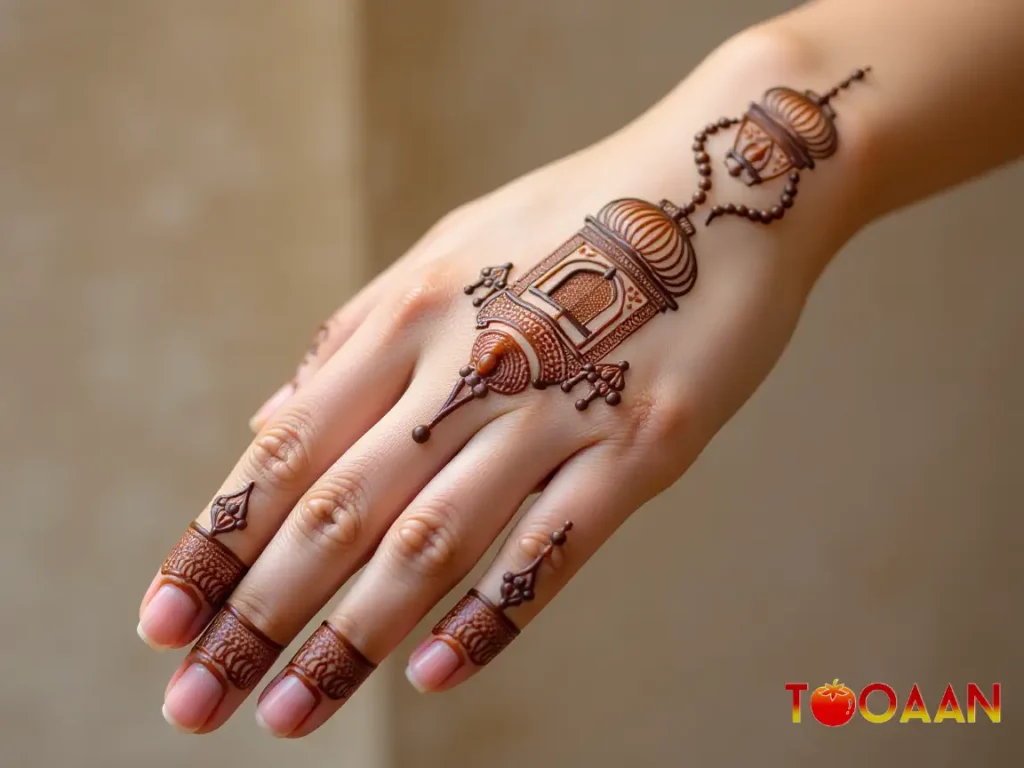
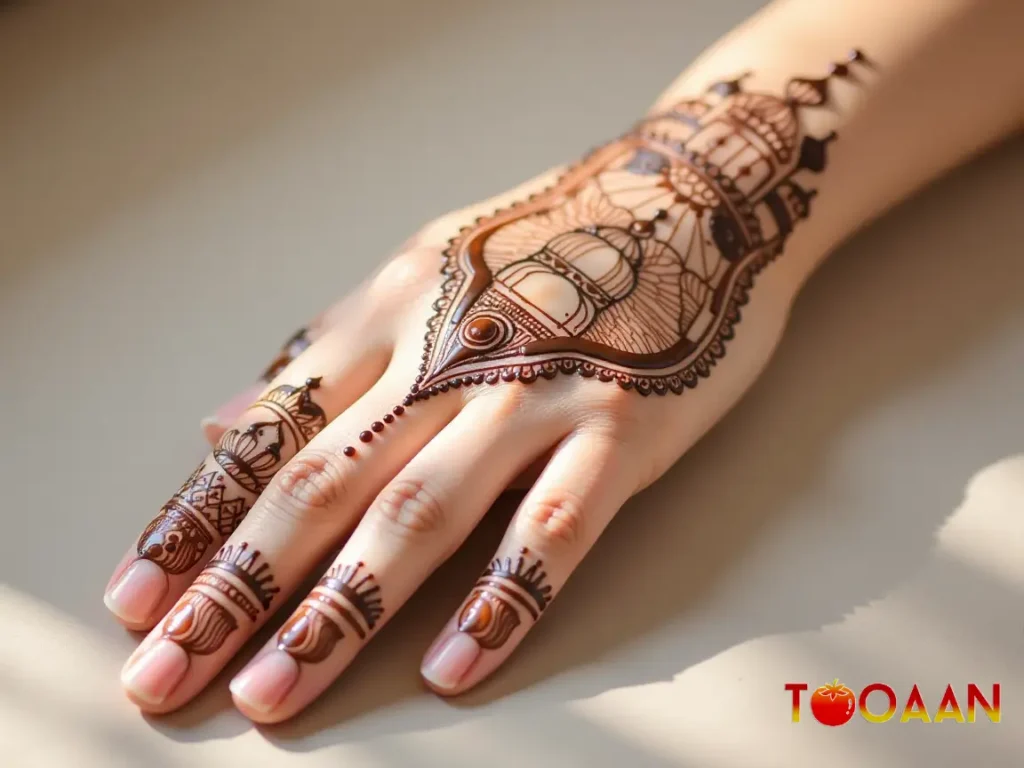
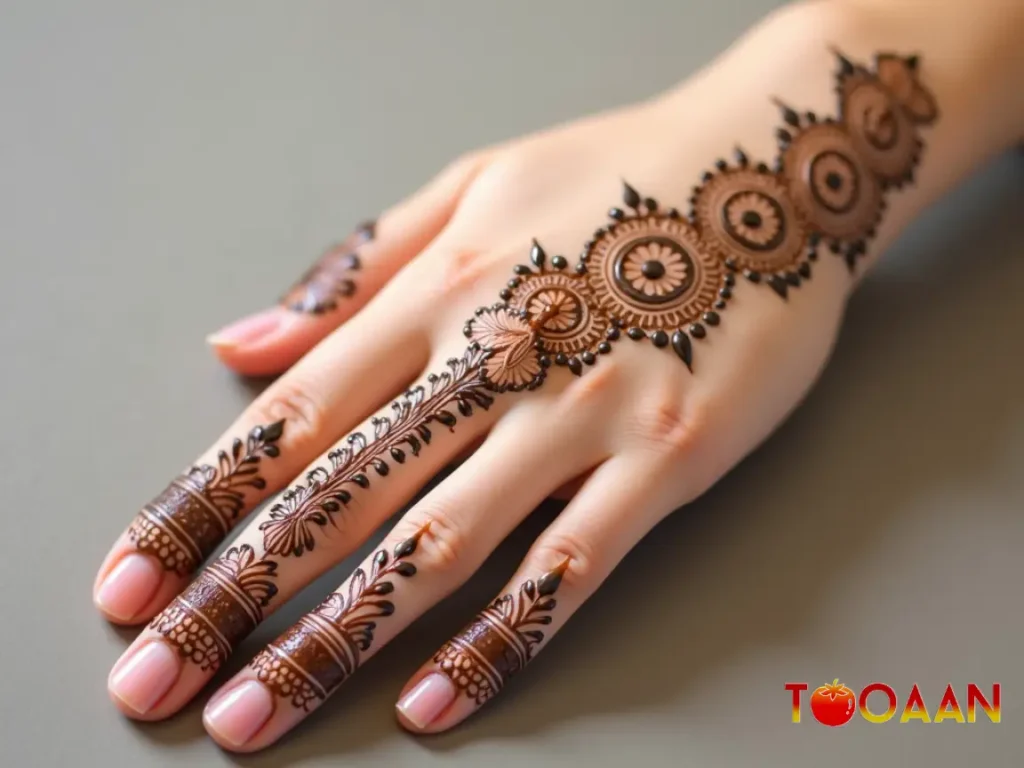
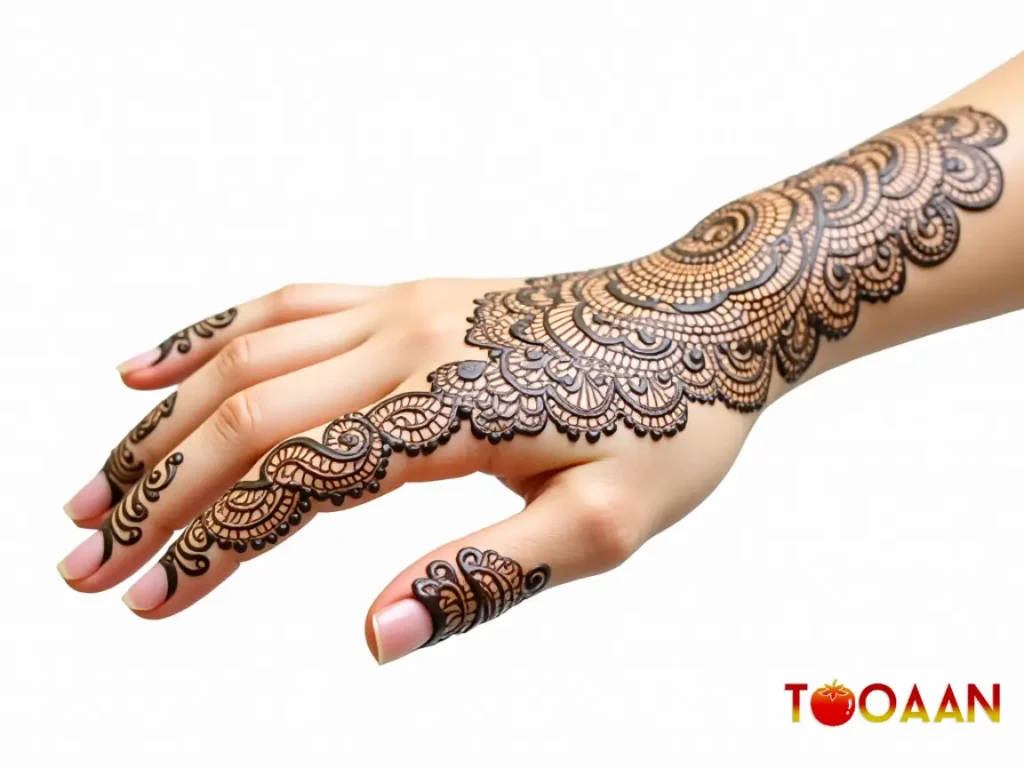
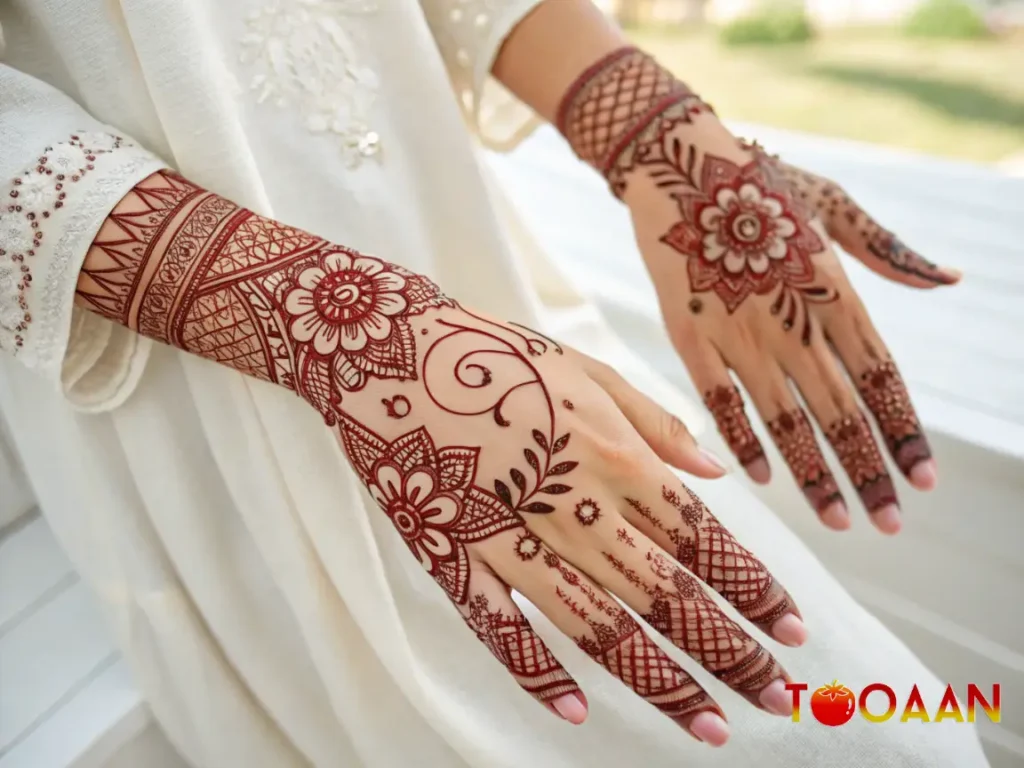
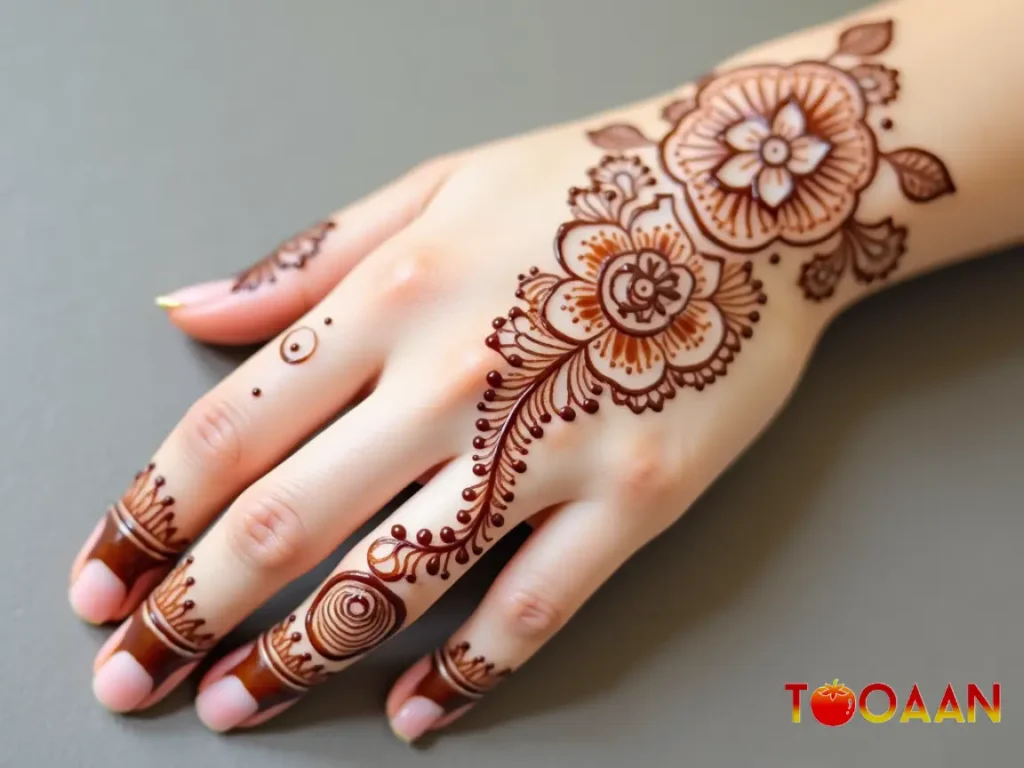
187+ Best Simple Mehndi Designs for Beginners – Easy & Elegant Ideas
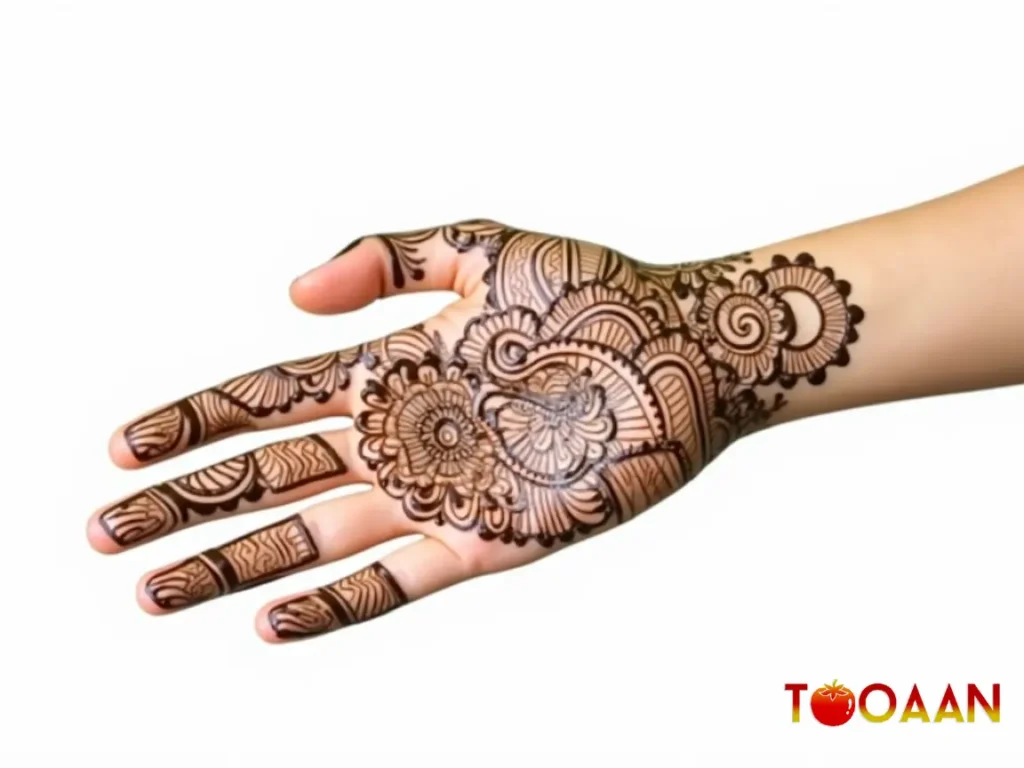
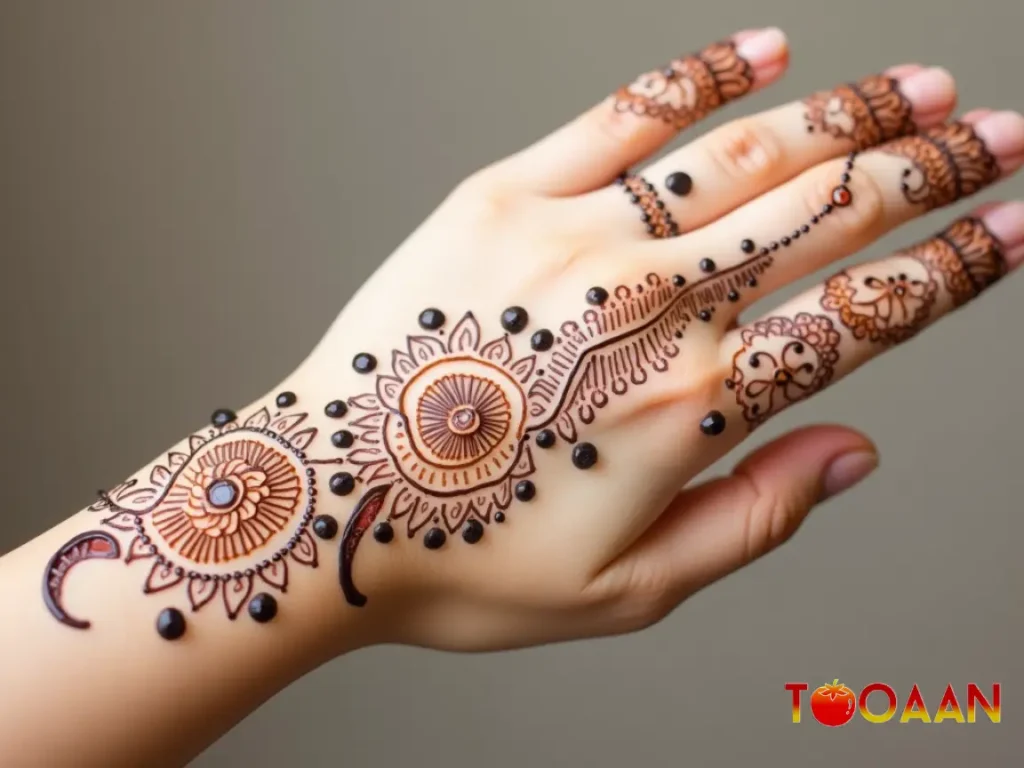
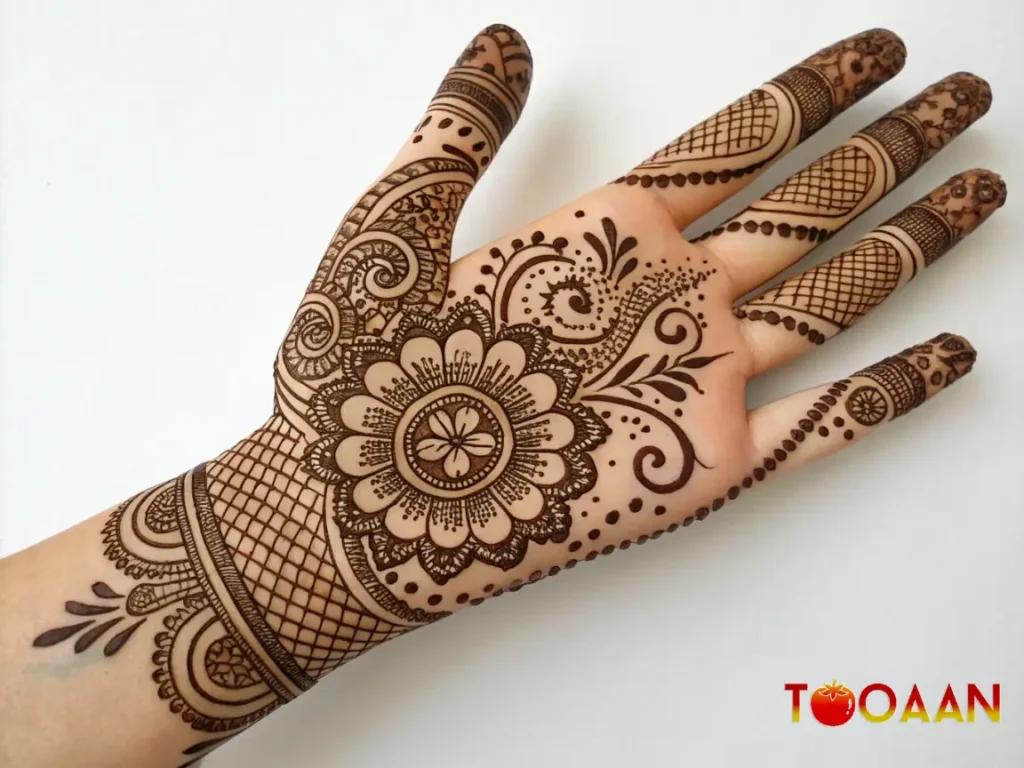
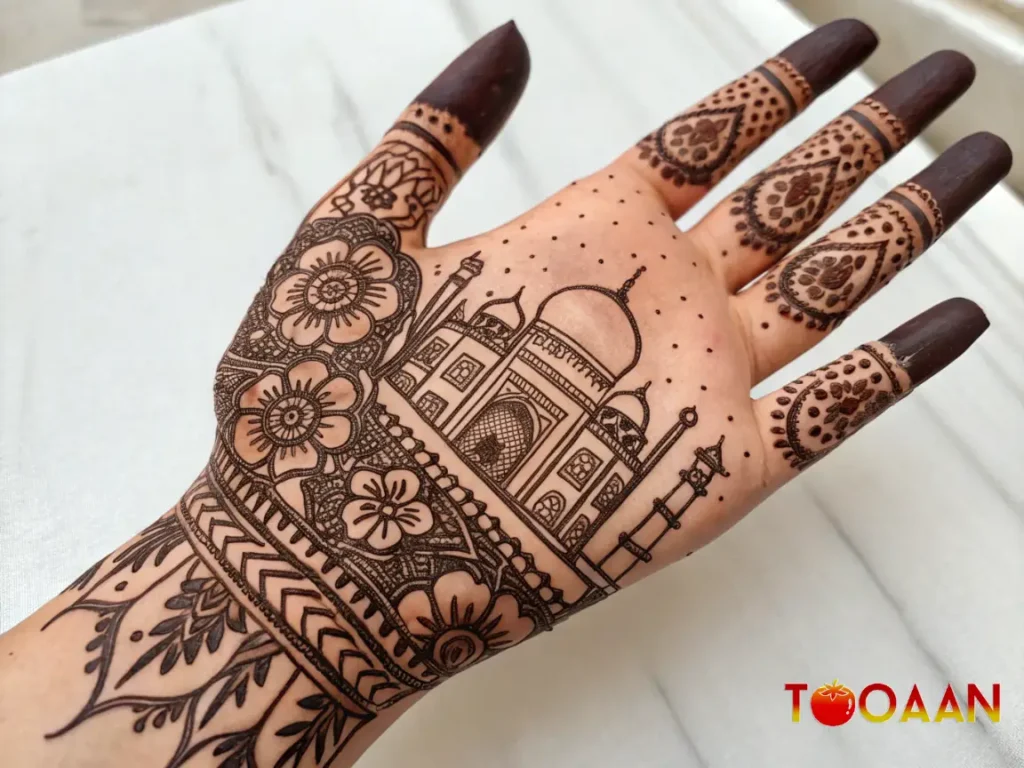
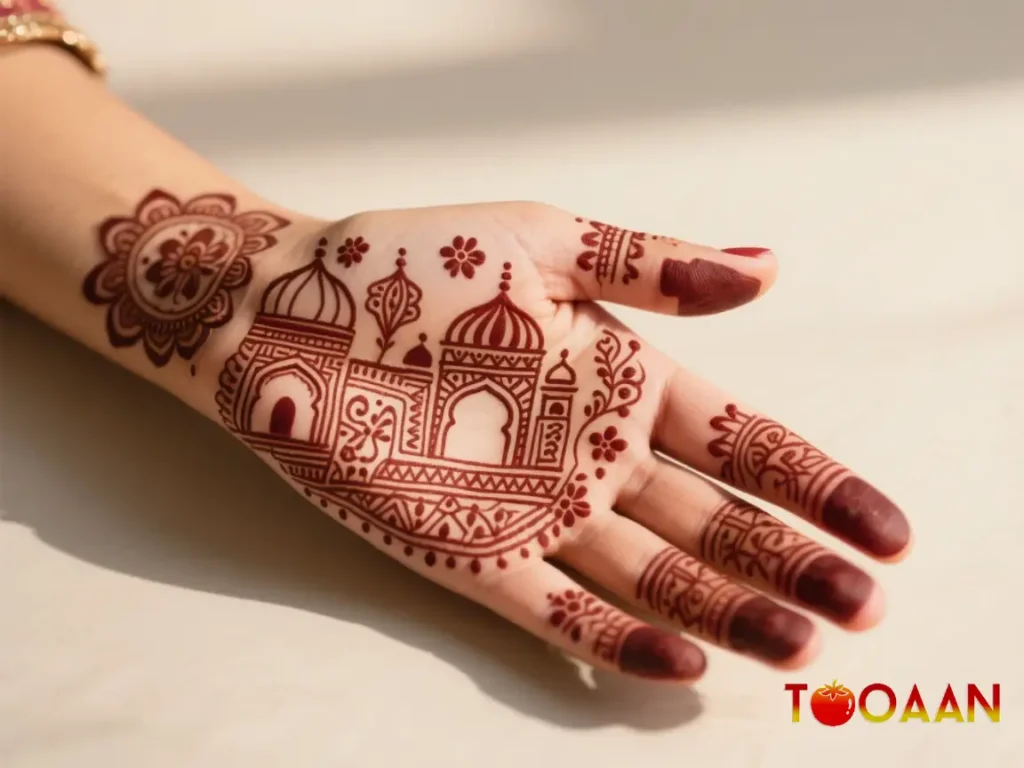
Mehndi designs are eagerly awaited by every boy and girl at Islamic weddings or any celebration. Islamic mehndi designs beautifully incorporate elements like the moon, Kaaba Sharif, stars, and other motifs. Arabic mehndi design refers to designs created using symbols and elements from Saudi Arabia or Islamic religious symbols – this is what constitutes an Arabic mehndi design.